Migration and Integration
Germany is a popular destination for immigration and the country prioritises an active policy of integration. At the same time, the federal government wants to control immigration to Germany more strictly.

At a glance
At home in Germany
Germany is a popular destination for immigrants. Migrants make an important contribution to its social and economic development.



1955
1955
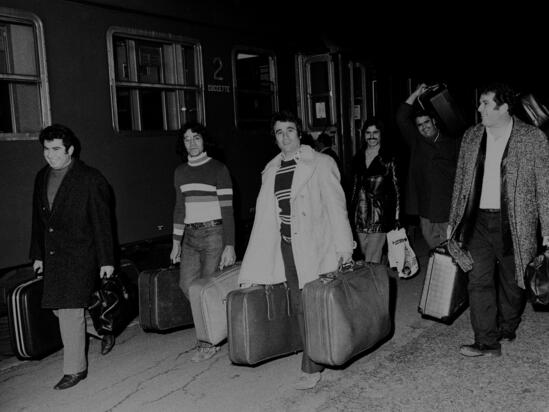
Strong economic growth leads to a shortage of labour in Germany in the mid-1950s. Recruitment agreements with Italy, Spain, Greece, Turkey, Morocco, Portugal, Tunisia, and Yugoslavia follow.
1964

1964
The millionth migrant worker, called “Gastarbeiter”, is welcomed to Germany. Recruitment is halted in 1973 with the oil crisis. Now around four million foreigners are living in Germany.
1990
1990
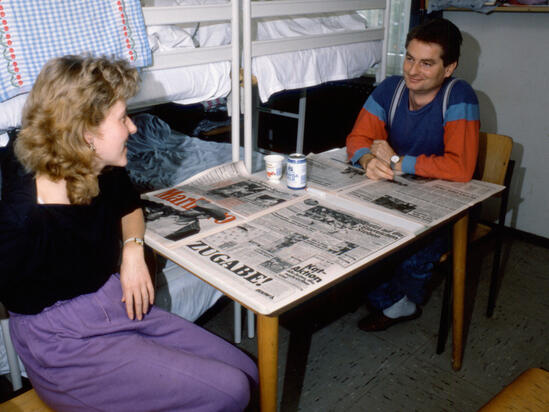
Immigration increases rapidly in 1990 with the fall of the Iron Curtain and the wars in former Yugoslavia. Moreover, 400,000 people of German origin arrive in Germany from Central and Eastern Europe.
1997
1997
Alongside migrant workers, since the mid-1980s ever more asylum seekers have been coming to Germany. From 1997 the Dublin Convention determines responsibilities of the EU states regarding asylum procedures.
2005

2005
The “Microcensus” offers the very first opportunity to survey the migratory background of the population. According to the census, in 2015 every fifth person in Germany has a migratory background.
2014
2014
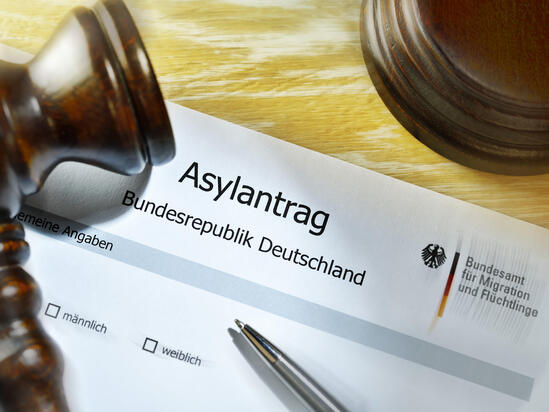
More than 200,000 people apply for asylum in Germany in 2014. For the first time, almost half a million more people move to Germany than leave it in the same period.
2015
2015
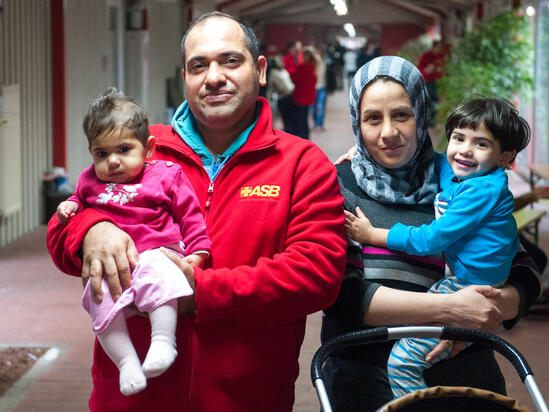
The civil wars in Syria and Iraq lead to increased flows of refugees towards Europe. During the course of the so-called “refugee crisis”, around 890,000 people apply for asylum in Germany. That number falls again in subsequent years.
2020

2020
A new Skilled Labour Immigration Act comes into force. Now, skilled workers with a foreign qualification in any profession can get a visa or a residency permit.
2022

2022
Over a million Ukrainian refugees are registered in Germany.
2023

2023
The Skilled Labour Immigration Act is being reformed. Among other things, the ‘opportunity card’ is being introduced, a job search visa for qualified skilled workers.
2024
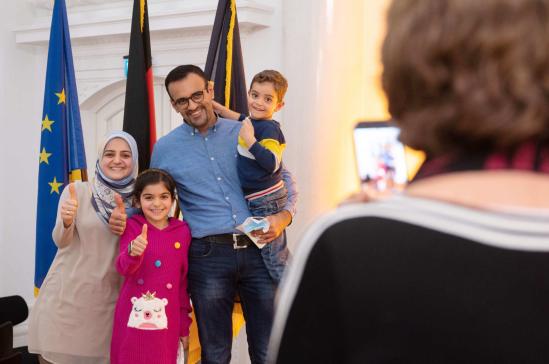
2024
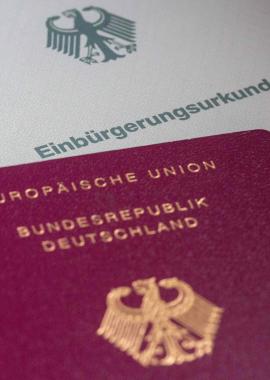
The reformed Citizenship Act comes into force. It facilitates naturalisation and generally allows dual citizenship.
2025

2025
The federal government adopts various measures to control and limit migration more strictly.
© Getty Images

21.2 million
the number of people from migrant backgrounds who live in Germany.
14.1 million
the number of people who live in Germany and hold a foreign passport.
© picture alliance
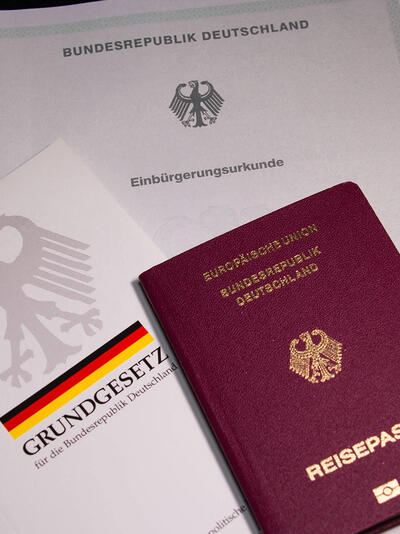
291,955 naturalisations
More than a quarter of the people who took German citizenship in 2024 came from Syria.
© picture alliance/ZB

251,000 asylum applications
The number of asylum applications in 2024 fell significantly compared to the previous year.
© dpa

1.3 million
This is how many Ukrainian refugees were living in Germany in July 2025.