How does Germany assume international responsibility?
What are the core objectives of German foreign policy?
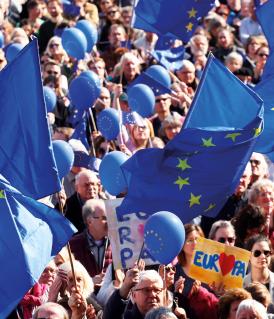
Being the world’s third-largest economy and largest member state of the European Union European Union In 1957, Germany was one of the six founding members of today’s EU, along with France, Italy, Belgium, the Netherlands and Luxembourg. The EU is currently made up of 27 states; the euro is the official currency in 20 of them. For Germany, European integration forms the basis for peace, security and… Read more › (EU), Germany’s foreign policy is oriented towards the interests of its citizens. At the same time, Germany is fully aware of its European and international responsibility. In its foreign, security and defence policy, the Federal Government Federal Government The Federal Government and cabinet is made up of the Federal Chancellor and the Federal Ministers. While the Chancellor holds the power to issue directives, the ministers have departmental powers, meaning that they independently run their respective ministries in the framework of those directives… Read more › seeks close cooperation with its democratic partners to defend shared values and tackle global challenges. A key pillar of this is the EU as a project to promote peace and freedom, where Germany plays an active role in shaping the Union’s future.
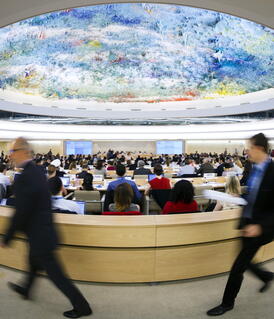
The primary objective of German foreign policy is to preserve security, freedom and prosperity. One of its guiding principles is comprehensive integration into the structures of multilateral cooperation. In concrete terms, this means forging constructive partnerships with EU member states and transatlantic partners, campaigning for Israel’s right to exist, playing an active and committed role in the United Nations United Nations The United Nations (UN) has a key role to play in the international system. Germany has been a UN member since 1973. Since joining, Germany has taken on more and more responsibility and is now one of the largest donors and supporters of the United Nations. For example, Germany is the second largest… Read more › (UN) and Council of Europe, and strengthening the European security architecture within the North Atlantic Treaty Organization ( NATO Nato The North Atlantic Treaty Organisation was founded in 1949. The defence alliance now includes 31 countries, and Germany has been a NATO member since 1955. The Federal Armed Forces have taken part in various NATO missions. NATO is based in the Belgian capital Brussels. → nato.int Read more › ) and the Organisation for Security and Co-operation in Europe ( OSCE OSCE With its 57 member states, the Organization for Security and Co-Operation in Europe (OSCE) is a comprehensive forum for cooperation at the pan-European level. OSCE missions are active above all in conflict prevention and management. Germany makes a substantial contribution to finance and man-power… Read more › ).
With which countries does Germany cultivate particularly close partnerships?
Germany’s partnership with France is historically close. Because many European integration European integration European integration is one of the central concerns of German foreign policy. Germany’s participation in a united Europe is also enshrined in the Basic Law. The European Union currently has 27 member states; on 31 January 2020, the UK became the first country to leave the EU. Several countries wish… Read more › initiatives are the result of Franco-German cooperation, the two neighbours are seen as the engine of the European Union European Union In 1957, Germany was one of the six founding members of today’s EU, along with France, Italy, Belgium, the Netherlands and Luxembourg. The EU is currently made up of 27 states; the euro is the official currency in 20 of them. For Germany, European integration forms the basis for peace, security and… Read more › . The Weimar Triangle is an important forum for productive cooperation between Germany, France and Poland.
Being the largest European countries, Germany, France and the United Kingdom are known as the E3 and engage in intensive and cooperative exchange to coordinate their foreign policy goals. The UK-German Friendship Treaty signed in July2025 additionally strengthens the close ties between Germany and the United Kingdom.
In addition, Germany is firmly anchored in a transatlantic alliance with the USA - a relationship that has evolved over decades.
How is Germany connected internationally?
Germany is well connected in the international political arena. It maintains diplomatic relations with almost 200 countries and is a member of a range of multinational organisations and informal coordination groups such as the Group of Seven (G7).
Who is the German foreign minister?
Since May 2025, Johann Wadephul (CDU) has been the country’s foreign minister. Around 12,000 people work for the Foreign Service, which has its headquarters in Berlin Berlin Once a year, during the Berlinale film festival, the world of the silver screen focuses its attention on Berlin. And the city’s inhabitants are used to global interest. After all, the people of Berlin have lived in a capital city since 1458. However, there is also a shady side to the city’s history… Read more › . In total, Germany maintains 225 diplomatic missions around the world.
How does Germany support human rights?
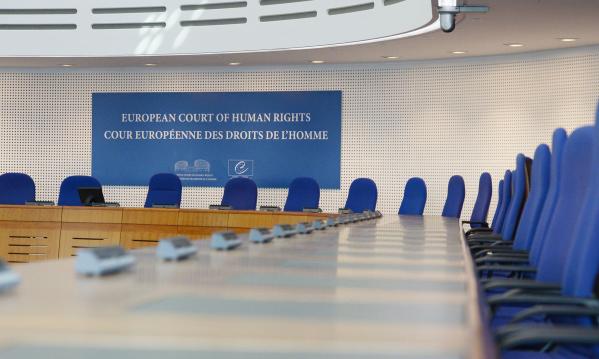
Human rights Human rights The respect and strengthening of human rights worldwide are a cornerstone of German Federal Government policy. Together with its EU partners it is committed to protecting and continually advancing human rights standards throughout the world. This occurs in close collaboration with the institutions… Read more › are the foundation of German foreign policy. Article 1 of the Basic Law The Basic Law The Basic Law determines that Germany is a constitutional state: All state authorities are subject to judicial control. Section 1 of the Basic Law is of particular relevance. It stipulates that respect for human dignity is the most important aspect of the constitution: “Human dignity shall be… Read more › states that “Human dignity shall be inviolable”. Germany therefore works with partners around the world to achieve this. This is not just a moral obligation, it is also in Germany’s foreign policy interests, as preserving human rights Human rights The respect and strengthening of human rights worldwide are a cornerstone of German Federal Government policy. Together with its EU partners it is committed to protecting and continually advancing human rights standards throughout the world. This occurs in close collaboration with the institutions… Read more › contributes to peace and stable development.
How does Germany contribute to resolving international conflicts?
Embedded in a multilateral framework, Germany has accepted the increased responsibility that came about following reunification in 1990: through wide-ranging and ever-increasing efforts, Germany now contributes to stabilising crisis regions and finding political solutions to conflicts. It also helps maintain peacekeeping structures, as well as playing a role in crisis management by contributing personnel to UN peace missions.
Ever since Russia began its illegal war of aggression against Ukraine, Germany has been one of Ukraine’s biggest supporters in defending its sovereignty.
How does Germany provide humanitarian assistance?
Germany also provides humanitarian assistance in crises, conflicts and natural disasters to help people in acute distress. Germany also works with UN organisations, the Red Cross and Red Crescent organisations, and NGOs. Germany aligns its development activities with the sustainable development goals set down in the United Nations United Nations The United Nations (UN) has a key role to play in the international system. Germany has been a UN member since 1973. Since joining, Germany has taken on more and more responsibility and is now one of the largest donors and supporters of the United Nations. For example, Germany is the second largest… Read more › ’ Agenda 2030. The 17 goals include combating hunger and poverty, promoting climate protection and achieving gender equality.